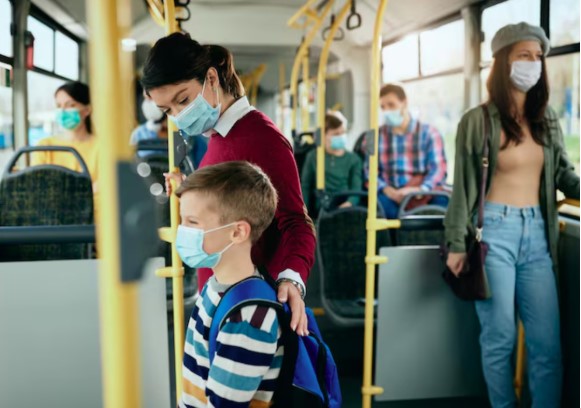
Educational institutions are constantly seeking ways to enhance operational workflows while ensuring the highest standards of safety for students during their daily commute.
Implementing a robust school transportation software platform is one of the most effective ways to achieve these goals.
By replacing manual scheduling and paper-based tracking with automated digital solutions, schools can optimize their logistics, reduce fuel consumption, and provide parents with real-time transparency.
As you explore these systems, prioritize features that simplify your daily workload, streamline driver communication, and provide accurate, actionable data for all your administrative planning needs.
Enhancing Student Safety Through Real-Time Tracking
Safety is the paramount concern for any school transport department. Modern technology offers real-time GPS tracking, allowing administrators to monitor vehicle locations, speeds, and routes continuously.
This technology ensures that buses remain on their designated paths and adhere to strict safety protocols at all times. When parents are kept informed about the exact arrival time of the transport, it minimizes student wait times at bus stops, which significantly reduces exposure to outdoor risks.
By integrating this advanced school transportation software, schools create a secure environment that gives parents total peace of mind regarding their children’s daily transit.
Optimizing Routing and Reducing Operational Costs
Fuel expenses and vehicle maintenance are significant line items in any school budget. An effective school transportation software solution utilizes advanced algorithms to calculate the most efficient routes, accounting for traffic patterns, student locations, and time constraints.
By minimizing idle time and eliminating redundant miles, schools can drastically lower their carbon footprint and overall fuel costs.
Furthermore, predictive maintenance alerts integrated into the platform notify managers when a vehicle requires servicing before a breakdown occurs, ensuring that the fleet remains in optimal condition for daily operations.
Improving Communication Between Stakeholders
Effective coordination between schools, drivers, and parents is essential for a smooth transportation cycle. Management platforms provide centralized communication channels where instant notifications can be sent regarding delays, schedule changes, or emergencies.
This eliminates the confusion often caused by traditional phone tag or unread emails. Parents appreciate the transparency provided by dedicated mobile apps that show their child’s transit status.
By using professional school transportation software, institutions foster a culture of open communication, ensuring that everyone involved stays informed and connected throughout the busy school day.
Automating Administrative Tasks and Attendance
Manual paperwork is prone to human error and consumes valuable administrative time. Modern platforms automate attendance logging, route assignments, and driver scheduling.
Integrated student ID scanning ensures that only authorized students board the correct bus, while digital reports provide instant data on ridership and system performance.
By digitizing these processes, staff members can focus on higher-level strategic planning rather than getting bogged down in clerical data entry, leading to a much more productive environment for the entire logistics team.
Ensuring Compliance and Data Transparency
Regulatory compliance and accountability are vital for school operations. A comprehensive school transportation software package generates detailed reports on driver behavior, vehicle maintenance logs, and student safety records.
These documents are essential for internal audits and ensuring that the school adheres to all district or state regulations. Having a transparent record of all transportation activities protects the institution in case of disputes or safety reviews.
A data-driven approach demonstrates a commitment to operational excellence, fostering trust among the parent community and ensuring that all safety requirements are met with total precision and efficiency.