
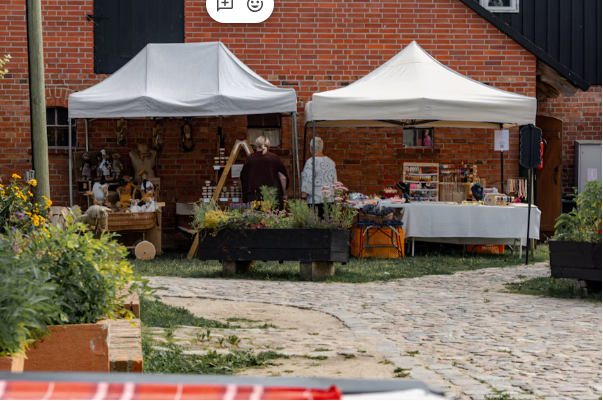
Trade shows, product launches, outdoor markets, and corporate gatherings often need weather protection and a professional look. Commercial event tents provide flexible space that can be set up in parking lots, parks, fields, and venue grounds. Choosing the wrong model can lead to safety concerns, wasted money, and a poor guest experience. This guide explains the key points to compare before you buy or rent. Careful planning now can prevent costly problems later.
Define Your Purpose and Guest Count
Start by listing what the tent must do. Commercial event tents may serve as exhibition booths, dining areas, registration points, or full venues. Estimate guests, tables, stages, displays, and walkways so you can choose the right size.
Leave extra room for movement and emergency exits. A crowded layout feels uncomfortable and may create safety problems. Realistic numbers lead to better decisions.
Compare Tent Types and Structure
Pop-up canopies are quick and portable for small promotions, while frame tents offer more strength and larger interior space. Pole tents can create an attractive look for big gatherings.
When reviewing commercial event tents, check the frame material, joints, anchoring options, and ease of assembly. Aluminum frames are lighter, while steel can add extra strength for heavier use. Setup time also matters for busy schedules.
Check Materials and Weather Resistance
Quality fabric affects durability, privacy, and comfort. Look for water-resistant, UV-resistant, and flame-retardant materials that meet local requirements. Better commercial event tents also feature reinforced seams and strong zippers.
Ask about wind ratings and sidewall options, because sudden gusts and rain can quickly turn an outdoor event into a risk. Test samples whenever the supplier offers them.
Plan Safety and Compliance
Safety should never be an afterthought. Confirm local permit rules, fire codes, and anchoring requirements before setup. Heavy commercial event tents may need weights or stakes, and underground utilities should be checked first.
Provide clear exits, lighting, and signage, and never use heaters, cooking equipment, or generators without following safety guidance. Prepare a backup plan for severe weather.
Think About Branding and Layout
A tent can be a powerful marketing tool. Custom colors, printed canopy panels, banners, and logos can make your business easy to recognize. Many commercial event tents allow sidewalls, windows, flooring, and lighting to improve comfort and appearance.
Consider foot traffic, display placement, power access, and storage when planning the interior. Consistent branding builds recognition and trust.
Compare Costs, Rental Options, and Support
Decide whether buying or renting is smarter. Frequent events may justify ownership, while occasional use often favors rental. Request written quotes for commercial event tents that include delivery, installation, takedown, warranties, and insurance.
Compare reviews and ask about emergency support. Ask for references before signing agreements.
Final Thoughts
The best choice balances size, strength, safety, appearance, and budget. Review your event needs, inspect materials carefully, and work with reliable suppliers. Well-chosen commercial event tents can help your business look professional and welcome guests comfortably. Visit suppliers, ask detailed questions, and never rush an important business purchase.