
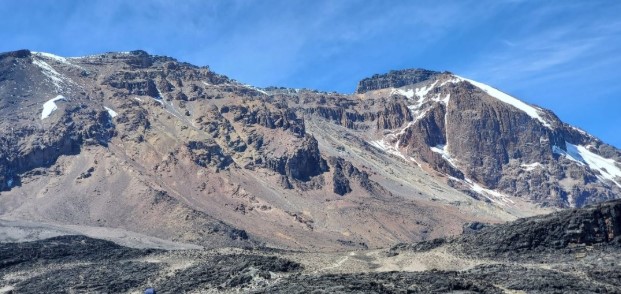
Mount Kilimanjaro stands as Africa’s most iconic peak and one of the world’s most sought-after mountaineering destinations. Rising majestically from the Tanzanian plains to 5,895 meters above sea level, this dormant volcano offers adventurers a rare opportunity to reach a true high-altitude summit without requiring technical climbing skills or years of mountaineering experience. Each year, thousands of climbers from every continent embark on Kilimanjaro climbing tours, drawn by the challenge, the beauty, and the profound sense of achievement that comes from standing atop the continent’s highest point.
Understanding Kilimanjaro Climbing Tours
Kilimanjaro climbing tours are professionally organized expeditions that provide everything necessary for a safe and successful summit attempt. Unlike casual hiking trips, these tours involve comprehensive logistics including certified guides, support staff, camping equipment, meals, permits, and safety protocols designed specifically for high-altitude mountaineering. The tour structure ensures that climbers can focus entirely on the physical and mental challenge of the ascent while experienced professionals handle all operational details.
The mountain offers seven established routes to the summit, each with distinct characteristics, difficulty levels, scenery, and duration. Quality Kilimanjaro climbing tours carefully match routes to climber experience levels, fitness capabilities, time availability, and personal preferences. Understanding route differences represents the first critical decision in planning your expedition.
The Seven Major Routes: Finding Your Perfect Path
Machame Route: The Whiskey Route
The Machame Route has earned its reputation as the most popular path among experienced trekkers and stands as the gold standard for Kilimanjaro climbing tours. Spanning six to seven days, this route approaches from the southwest through lush rainforest before ascending through moorland and alpine desert zones. The trail’s excellent acclimatization profile—climbing higher during the day while descending to lower camps for sleeping—produces summit success rates typically exceeding 85%.
Machame appeals to climbers seeking stunning scenery combined with reasonable physical challenge. The route traverses beneath the dramatic Shira Plateau, scales the imposing Barranco Wall, and approaches the summit via Stella Point. While more demanding than Marangu, Machame’s superior acclimatization schedule justifies the additional effort through significantly higher success rates.
Lemosho Route: The Scenic Approach
For climbers prioritizing wilderness immersion and optimal acclimatization, the Lemosho Route represents the premium choice among Kilimanjaro climbing tours. This seven-to-eight-day expedition begins on the mountain’s remote western flank, traversing pristine forests rarely visited by tourists before joining the Machame Route at Shira Camp.
Lemosho’s extended duration allows for gradual altitude adaptation, producing success rates frequently exceeding 90%. The route encounters fewer crowds during initial days, offering a more peaceful wilderness experience. While costing more due to additional park fees and logistics, Lemosho delivers exceptional value through stunning scenery, excellent acclimatization, and high summit probability.
Marangu Route: The Coca-Cola Route
The Marangu Route remains unique among Kilimanjaro climbing tours as the only path featuring permanent sleeping huts with bunk beds rather than camping. This five-to-six-day route ascends and descends via the same trail, approaching from the southeast through beautiful rainforest and moorland.
While Marangu’s hut accommodation appeals to those uncomfortable with camping, the route’s rapid ascent profile contributes to lower success rates around 65-70%. The same-trail ascent and descent also provides less scenic variety than routes that circle the mountain. Marangu suits climbers with limited time or strong preferences for hut accommodation, though most experienced guides recommend longer routes for better acclimatization.
Rongai Route: The Northern Wilderness
Approaching from Kenya’s border in the north, the Rongai Route offers Kilimanjaro climbing tours characterized by drier conditions, fewer crowds, and gentler gradients. This six-to-seven-day trek traverses the mountain’s rain shadow side, experiencing less precipitation than southern routes.
Rongai appeals to climbers seeking solitude and those planning expeditions during typically wetter seasons when northern slopes remain drier. The route’s gradual ascent suits less experienced trekkers, though its success rates fall slightly below Machame and Lemosho at 75-80%. The northern perspective provides unique views and a different ecological experience compared to popular southern routes.
Northern Circuit: The Grand Traverse
The Northern Circuit represents the newest and longest option among Kilimanjaro climbing tours, circumnavigating nearly the entire massif over eight to nine days. This extended expedition provides exceptional acclimatization time, encounters minimal crowds, and showcases the mountain’s complete ecological and scenic diversity.
With success rates approaching 95%, the Northern Circuit offers the highest summit probability of any route. The additional days allow for leisurely pacing, thorough altitude adaptation, and comprehensive exploration. While commanding premium prices due to extended park fees and logistics, this route delivers unmatched value for climbers prioritizing success probability and comprehensive mountain experience.
Umbwe Route: The Direct Challenge
The Umbwe Route offers the steepest, most direct ascent among Kilimanjaro climbing tours. This challenging five-to-six-day path climbs rapidly through dense forest before merging with the Machame Route at Barranco Camp. Only experienced, fit climbers should consider Umbwe due to its aggressive ascent profile.
Umbwe’s rapid elevation gain contributes to lower success rates around 60-65%, as climbers receive minimal acclimatization time. The route appeals primarily to experienced mountaineers seeking maximum challenge and willing to accept lower summit probability in exchange for technical difficulty and dramatic scenery.
Western Breach: The Technical Alternative
The Western Breach represents the most technical approach among standard Kilimanjaro climbing tours, ascending directly up the mountain’s breach wall to reach the crater rim. This route involves scrambling over rocky terrain and sometimes requires basic climbing techniques.
Due to rockfall hazards and technical demands, many operators no longer offer Western Breach tours. Those that do require experienced climbers comfortable with exposure and loose rock conditions. The route provides unique perspectives but comes with elevated risk compared to standard walking routes.
What Quality Kilimanjaro Climbing Tours Include
Understanding what comprehensive tour packages provide helps climbers evaluate operator offerings and identify potential hidden costs or service gaps.
Professional Guide Services
All legitimate Kilimanjaro climbing tours employ certified mountain guides licensed by Tanzania National Parks Authority. Lead guides typically possess years of high-altitude experience, comprehensive first aid training, and expertise in recognizing and managing altitude sickness symptoms. Quality operators maintain low guide-to-climber ratios, typically one lead guide per four climbers plus assistant guides for larger groups.
Guides serve multiple critical functions including navigation and route finding, pace setting for optimal acclimatization, health monitoring and altitude sickness assessment, motivation and encouragement during difficult sections, emergency response and evacuation coordination, and cultural interpretation and education throughout the trek.
Support Staff and Porters
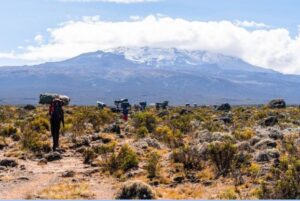
Tanzanian regulations require all Kilimanjaro climbing tours to employ porters who carry equipment, food, water, and camping supplies. A typical expedition requires three to four porters per climber plus a dedicated cook. These essential team members set up and break down camps, prepare all meals, fetch water, and manage camp operations while climbers rest.
Ethical operators treat porters with dignity through fair wages exceeding industry minimums, proper equipment including warm clothing and quality footwear, strict load limits of 20 kilograms maximum, adequate food and shelter, and health insurance coverage. Organizations like the Kilimanjaro Porters Assistance Project (KPAP) certify operators meeting ethical standards.
Camping Equipment and Accommodations
Comprehensive Kilimanjaro climbing tours provide all necessary camping equipment including four-season tents designed for high-altitude conditions, insulated sleeping mats, dining tents with tables and chairs, portable toilets for premium tours, and cooking equipment and fuel. Climbers typically bring only personal sleeping bags and clothing.
Premium operators invest in superior equipment including spacious tents, thick sleeping pads, and comfortable camp furniture that significantly enhance the expedition experience. Budget operators may provide worn, inadequate equipment that compromises comfort and potentially safety during extreme weather.
Meals and Nutrition
Proper nutrition at high altitude critically impacts energy levels, acclimatization, and summit success. Quality Kilimanjaro climbing tours provide three substantial meals daily plus snacks, featuring diverse menus with adequate calories and nutrients. Typical offerings include porridge, eggs, and fruit for breakfast, sandwiches or hot soup for lunch, and multi-course dinners with protein, carbohydrates, and vegetables.
Reputable operators accommodate dietary restrictions including vegetarian, vegan, gluten-free, and religious requirements when notified in advance. Cooks prepare all meals in hygienic conditions using purified water and fresh ingredients resupplied at lower camps.
Safety Equipment and Protocols
Comprehensive Kilimanjaro climbing tours maintain robust safety systems including emergency oxygen supplies and delivery systems, comprehensive first aid kits with altitude sickness medications, pulse oximeters for monitoring blood oxygen saturation, stretchers and evacuation equipment, communication devices for emergency coordination, and detailed emergency action plans.
Premium operators conduct daily health assessments, monitor climbers’ vital signs, and maintain conservative decision-making regarding summit attempts. They prioritize climber safety over summit success, turning back if necessary when conditions or health indicators warrant.
Selecting the Right Kilimanjaro Climbing Tour Operator
Your tour operator choice fundamentally determines your safety, comfort, and summit probability. With hundreds of companies offering Kilimanjaro climbing tours, identifying quality operators requires careful research and evaluation.
Credentials and Certifications
Reputable operators hold proper licensing from Tanzania National Parks Authority, maintain registration with the Kilimanjaro Association of Tour Operators (KIATO), achieve certification from the Kilimanjaro Porters Assistance Project (KPAP) for ethical porter treatment, and carry comprehensive liability insurance and staff coverage.
Verify credentials through official channels rather than relying solely on operator claims. KPAP and KIATO websites list certified members and provide resources for evaluating operator legitimacy.
Success Rates and Reviews
While operators sometimes inflate summit success statistics, patterns emerge through thorough review research. Examine recent feedback on platforms like TripAdvisor, SafariBookings, and Google Reviews, focusing on experiences from the past year. Look for consistent mentions of successful summits, professional guides, quality equipment, good food, and ethical staff treatment.
Red flags include numerous reports of altitude sickness from too-rapid ascents, complaints about worn equipment or inadequate food, mentions of overloaded or poorly treated porters, stories of guides pushing sick climbers to continue, and defensive or hostile operator responses to negative reviews.
Transparency and Communication
Quality operators demonstrate transparency through detailed itinerary descriptions with daily elevation profiles, comprehensive equipment lists specifying what’s provided versus required, clear pricing breakdowns showing inclusions and exclusions, honest discussions of route difficulty and success rates, and responsive communication addressing questions thoroughly.
Be cautious of operators providing vague information, avoiding specific questions, offering unrealistically low prices without clear explanations, or pressuring immediate bookings without allowing adequate research time.
Physical Preparation for Kilimanjaro Climbing Tours
While Kilimanjaro requires no technical climbing skills, the physical demands should not be underestimated. Successful climbers invest three to six months in targeted training focusing on cardiovascular endurance, leg strength, and hiking experience.
Effective preparation includes regular hiking with gradually increasing distances and elevation gain, stair climbing with weighted backpacks, cardiovascular exercise like running or cycling for three to five sessions weekly, strength training emphasizing legs, core, and back, and practice hikes at altitude if accessible.
Mental preparation proves equally important. Long days of relentless uphill hiking, cold conditions, and altitude effects test psychological resilience. Visualization techniques, meditation practices, and cultivating determination help climbers push through difficult moments when physical discomfort tempts surrender.
Best Seasons for Kilimanjaro Climbing Tours
Kilimanjaro climbing tours operate year-round, though success probability varies significantly with seasonal weather patterns. The mountain experiences two primary dry seasons offering optimal conditions.
January through mid-March provides excellent climbing with generally clear skies, moderate temperatures, and minimal precipitation. This season sees fewer crowds than the popular mid-year period while offering comparable conditions. Snow may be present at higher elevations, adding scenic beauty to the summit experience.
Late June through October represents the busiest climbing season with the most stable weather, particularly August and September. Trails become crowded, especially on popular routes like Machame, but conditions remain consistently favorable for summit attempts. Temperatures are coldest during this period, requiring proper cold-weather equipment.
Shoulder seasons during April-May and November bring increased rainfall, muddier conditions, and reduced visibility. However, these months offer substantial discounts, fewer crowds, and the possibility of good weather windows. Adventurous climbers willing to accept variable conditions can find excellent value during shoulder seasons.
Group Tours vs Private Expeditions
Kilimanjaro climbing tours operate under two primary models: scheduled group departures and private expeditions. Each offers distinct advantages depending on your preferences and circumstances.
Group tours assemble climbers with similar schedules to share costs and experiences. Benefits include significantly lower per-person pricing, social camaraderie with fellow adventurers, shared motivation during difficult sections, predetermined departure dates ensuring availability, and efficient logistics with established systems.
Private expeditions provide complete flexibility in departure dates, daily pacing, and itinerary adjustments. While costing 35-50% more, private tours accommodate specific scheduling needs, allow customized experiences, enable climbing with chosen companions, and provide dedicated guide attention. Families, close friends, or those with inflexible schedules often find private expeditions worth the premium investment.
Duration Considerations: Longer vs Shorter Tours
Tour duration significantly impacts both success probability and overall experience quality. While five-day Marangu tours exist, most experts recommend minimum six-day expeditions, with seven to nine days optimal for maximizing summit success.
Longer Kilimanjaro climbing tours provide crucial benefits including adequate acclimatization time reducing altitude sickness risk, higher summit success rates often exceeding 90%, more comfortable daily distances avoiding exhaustion, enhanced scenic appreciation through leisurely pacing, and better overall experience with time for rest and recovery.
Shorter tours save on park fees and time off work but increase altitude sickness likelihood, reduce summit success probability to 60-70%, create rushed schedules with limited rest, and provide less satisfying overall experiences. The marginal cost savings rarely justify accepting significantly lower summit probability when you’ve invested thousands in the expedition.
Cultural Experiences and Local Interaction
Quality Kilimanjaro climbing tours incorporate cultural elements that enrich the adventure beyond pure mountaineering. Your support team typically represents the Chagga people who have inhabited Kilimanjaro’s slopes for generations. Many guides enthusiastically share information about local culture, history, and traditions when asked.
Pre-trek briefings often include cultural introductions and opportunities to learn basic Swahili phrases that enhance communication and demonstrate respect. On the mountain, shared meals and evenings in camp provide interaction opportunities with guides, porters, and cooks who appreciate genuine interest in their lives and communities.
Post-climb celebrations frequently include traditional Chagga songs and dances performed by your team, creating memorable cultural exchanges. Many climbers establish lasting friendships with guides and return for additional Tanzania adventures guided by team members they’ve come to know and trust.
Post-Climb Options and Extensions
Most climbers extend their Tanzania visit beyond the Kilimanjaro climbing tour to explore the country’s exceptional wildlife and beaches. Popular extensions include safaris to Serengeti National Park, Ngorongoro Crater, Tarangire National Park, or Lake Manyara. These world-renowned wildlife destinations complement the Kilimanjaro experience perfectly, offering opportunities to witness the Great Migration, abundant predators, and diverse ecosystems.
Zanzibar’s pristine beaches provide ideal post-climb recovery locations. The historic Stone Town, spice farms, and turquoise waters offer relaxation after the physical demands of high-altitude trekking. Many operators bundle Kilimanjaro climbing tours with safari and Zanzibar extensions at package discounts compared to booking separately.
Key Takeaways
- Kilimanjaro climbing tours provide comprehensive supported expeditions to Africa’s highest peak without requiring technical climbing skills
- Route selection critically impacts acclimatization, success rates, scenery, and overall experience quality
- The Machame Route offers the best balance of challenge, scenery, and success for most climbers
- Longer seven-to-nine-day tours significantly increase summit success rates compared to rushed five-to-six-day expeditions
- Operator quality directly affects safety, comfort, success probability, and ethical staff treatment
- Physical preparation requiring three to six months of cardiovascular and strength training is essential
- January-March and June-October provide optimal weather conditions with highest success probability
- Group tours offer excellent value while private expeditions provide flexibility and personalized experiences
- Comprehensive tours include certified guides, support staff, camping equipment, meals, safety gear, and all permits
- Research operators thoroughly through KPAP certification, recent reviews, and transparent communication
Frequently Asked Questions
What is a Kilimanjaro climbing tour and what does it include?
A Kilimanjaro climbing tour is a professionally organized expedition providing everything necessary for a safe summit attempt. Comprehensive tours include certified mountain guides and assistant guides, porters to carry equipment and supplies, cooks preparing all meals, camping equipment (tents, sleeping mats, dining facilities), three daily meals plus snacks and purified water, all Tanzania National Parks fees and permits, airport transfers and pre-climb accommodation, safety equipment including emergency oxygen and first aid, and summit certificates. Climbers bring personal gear like sleeping bags, clothing, and hiking equipment.
How difficult are Kilimanjaro climbing tours?
Kilimanjaro climbing tours require no technical skills but demand good physical fitness, mental determination, and proper acclimatization. The primary challenges include sustained uphill hiking for six to nine consecutive days, altitude effects including headaches, nausea, and fatigue as you approach 6,000 meters, cold temperatures especially during summit night, long summit day typically 12-16 hours from high camp and back, and basic camping conditions with limited amenities. Success requires months of cardiovascular and strength training, though thousands of ordinary people with determination successfully summit annually.
Which Kilimanjaro climbing tour route is best for beginners?
The Machame Route represents the optimal choice for most first-time climbers, balancing reasonable difficulty with excellent acclimatization and high success rates of 85-90%. The seven-day version provides adequate time for altitude adaptation while traversing stunning scenery. The Lemosho Route offers even better acclimatization over eight days with 90%+ success rates, though at higher cost. Avoid the Marangu Route despite its “easier” reputation—the rapid ascent contributes to only 65-70% success rates. Longer routes dramatically increase summit probability for climbers without previous high-altitude experience.
How do I choose a reputable Kilimanjaro climbing tour operator?
Select operators through verification of KPAP (Kilimanjaro Porters Assistance Project) certification ensuring ethical porter treatment, KIATO (Kilimanjaro Association of Tour Operators) membership, proper licensing from Tanzania National Parks Authority, comprehensive liability and staff insurance, recent positive reviews on TripAdvisor, SafariBookings, and Google, transparent pricing with clear inclusions and exclusions, responsive communication addressing all questions thoroughly, and realistic claims about success rates and conditions. Avoid operators offering suspiciously low prices, providing vague information, or demonstrating poor communication.
What is the best time to book Kilimanjaro climbing tours?
The best climbing seasons are January through mid-March and June through October, offering the most stable weather and highest success rates. June through October is busiest, particularly August and September. January through March provides excellent conditions with fewer crowds. Book six to twelve months in advance to secure preferred dates with quality operators during peak seasons. Last-minute bookings may find availability during shoulder seasons (April, May, November) at discounted rates, though weather becomes less predictable.
Can I climb Kilimanjaro without joining an organized tour?
No. Tanzanian law prohibits independent climbing on Mount Kilimanjaro. All climbers must join organized Kilimanjaro climbing tours with licensed guides through authorized operators. This regulation ensures proper safety protocols, emergency response capabilities, conservation compliance, and supports local employment. Even highly experienced mountaineers cannot obtain permits for independent climbs. Private tours can be arranged for flexibility, but all climbs require professional guide services.
How long do Kilimanjaro climbing tours typically last?
Kilimanjaro climbing tours range from five to nine days on the mountain, with most reputable operators recommending minimum seven-day itineraries. Longer tours provide better acclimatization, higher success rates, and more comfortable pacing. Five-to-six-day tours rush the ascent, contributing to lower success rates around 65-70%. Seven-day tours achieve 85-90% success rates. Eight-to-nine-day tours exceed 90% success through optimal acclimatization. Factor additional days for travel, pre-climb briefings, and post-climb recovery when planning your total trip duration.
What is the success rate for Kilimanjaro climbing tours?
Summit success rates vary dramatically based on route selection and duration. Five-to-six-day routes like Marangu achieve only 60-70% success due to inadequate acclimatization. The popular seven-day Machame Route reaches 85-90% success. Seven-to-eight-day Lemosho tours exceed 90%. The eight-to-nine-day Northern Circuit approaches 95% success through extended acclimatization. Individual success also depends on physical preparation, proper pacing, good health, favorable weather, and following guide instructions regarding hydration, nutrition, and rest.
Conclusion
Kilimanjaro climbing tours offer one of the world’s most accessible yet genuinely challenging high-altitude mountaineering experiences. Unlike technical peaks requiring years of specialized training, Kilimanjaro welcomes determined adventurers from all backgrounds who invest in proper preparation and quality tour operators. The mountain’s seven distinct routes provide options matching every fitness level, schedule, and preference, from the efficient Marangu to the comprehensive Northern Circuit.
Success on Kilimanjaro depends critically on selecting reputable tour operators who prioritize safety, employ experienced guides, treat staff ethically, and provide comprehensive equipment and support. While price remains an important consideration, the difference between budget and quality operators often determines whether you safely reach the summit or struggle with altitude sickness from inadequate acclimatization. The investment in established, certified operators pays dividends through professional service, higher success rates, and peace of mind.
The journey itself transcends simple summit achievement. Kilimanjaro climbing tours immerse you in diverse ecosystems ranging from tropical rainforest to arctic glaciers, introduce you to Tanzanian culture through your support team, test your physical and mental limits, and create profound experiences shared with fellow adventurers. The preparation process often catalyzes lasting lifestyle improvements, while summit success builds confidence extending far beyond the mountain.
As you research Kilimanjaro climbing tours and plan your expedition, remember that this adventure represents a once-in-a-lifetime opportunity for most people. Prioritize safety, success probability, and ethical operations over marginal cost savings. Invest adequate time in physical preparation. Choose routes providing proper acclimatization. Select operators with proven track records and transparent practices.
Standing on Uhuru Peak watching sunrise illuminate the African continent, with glaciers gleaming and clouds far below, creates memories and emotions that photographs never capture and words struggle to express. That moment of triumph, supported by professional guides and porters who’ve become friends, justifies every dollar invested and every training mile completed. Kilimanjaro climbing tours deliver transformative adventures that enrich lives long after you descend from Africa’s magnificent rooftop.